

AGROCHEMICALS
FOOD

TOYS AND SCHOOL SUPPLIES

COSMETICS / DISPOSABLES / PERSONAL HYGIENE

PEST CONTROL PRODUCTS

Pharmaceuticals

OTHER SECTORS AND SERVICES

TOXICOLOGY TESTING

MEDICAL DEVICES

SUPPLEMENTS AND FOOD INGREDIENTS

Cleaning Products / Disinfectants

VETERINARY
Agrochemicals
Toxicology
Analytical Chemistry
Physicochemistry

Food
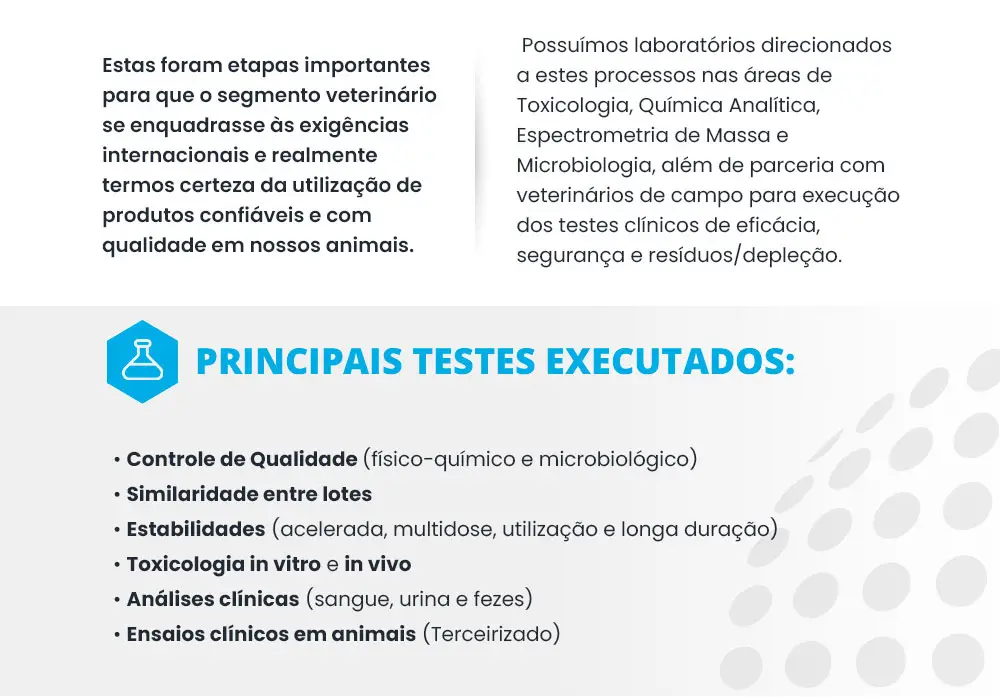
In this field, Ecolyzer offers the market residue analysis of veterinary drugs in a wide range of biological matrices.
We run quality control processes for slaughterhouses and food manufacturers, among others.
Matrices Tested
Muscle
Milk
Eggs
Liver
Kidney
Fat
Active Ingredients (Residues)
Antiparasitics
Antibiotics
Anti-inflammatories
Others
Principais Legislações
- Resolution RDC No. 42 of August 29, 2013: MERCOSUR Technical Regulation on Maximum Limits for Inorganic Contaminants in Food.
- Decree No. 5,741 of March 30, 2006: Unified System for Agricultural and Livestock Health Care (SUASA).
- Law 7,802 of July 11, 1989, amended by Law 9,974 of June 6, 2000: Governs the research, testing, production, packaging and labeling, transport, storage, sale, advertising, use, import, export, final disposal of waste and packaging, registration, classification, control, inspection and oversight of pesticides, their components and related products, among other provisions.

Toys and School Supplies


Cosmetics
This sector covers personal hygiene products, perfumes, children’s products and cosmetics. Following the specific regulations for each of these product categories, Ecolyzer provides testing for Quality Control and/or Registration with the Brazilian Ministry of Health (ANVISA), offering scientific and technical support for developing product claims and research for publication in scientific journals.
Always using methods recommended by ANVISA and other national and international institutions, we follow strict quality parameters to ensure reliable results.
Claims Covered
Hypoallergenic, Anti-acne, Clinically tested by dermatologists, ophthalmologists, pediatricians, etc.
Principais Legislações
- CATEC Opinion No. 02 – December 23, 2009 – Use of DEET in Repellents;
- CATEC Opinion No. 03 – March 2, 2010 – Mouthwash – ethanol
- CATEC Opinion No. 05 – December 21, 2010 – Urea;
- CATEC Opinion No. 06 – December 21, 2010 – Camphor;
- CATEC Opinion No. 04 – December 21, 2011 – Use of Retinoids;
- RDC 481 – September 23, 1999 – Microbiological parameters;
- RDC 38 – March 21, 2001 – Children’s products;
- RDC 79 – August 28, 2000 – Risk Categories 1 and 2;
- RDC 211 – July 14, 2005 – Classification of Cosmetic products;
- RDC 48 – March 16, 2006 – Prohibited substances list;
- RDC 36 – June 17, 2009 – Formaldehyde;
- RDC 42 – October 25, 2010 – Alcohol as hand antiseptic in hospitals;
- RDC 16 – April 12, 2011 – Restricted substances list;
- RDC 03 – January 18, 2012 – Prohibited substances list;
- RDC 29 – June 10, 2012 – List of permitted preservatives;
- RDC 30 – June 1, 2012 – Sunscreens in Cosmetics;
- RDC 44 – August 9, 2012 – List of permitted colorants;
- RDC 19 – April 10, 2013 – Registration of cosmetic Repellents;
- RDC 15 – March 26, 2013 – Supplementary restricted list;
- Safety Guide – December 19, 2012;
- Stability Guide (2004);
- Hydrogen peroxide RDC 215/05 – Labeling;
- Dentin Hypersensitivity (RDC No. 13/03) – Labeling;
- DECREE 79,094/77 (Arts. 4 and 93–111) – Labeling;
- DECREE 83,239/79 (Amends Arts. 17, 93, 94 and 96 of Decree 79,094/77) – Labeling;
- Public Consultation No. 50 on children’s products;
- GMC RESOLUTION 36/04 – MERCOSUR LABELING;
- INMETRO – Labeling
Pest Control Products
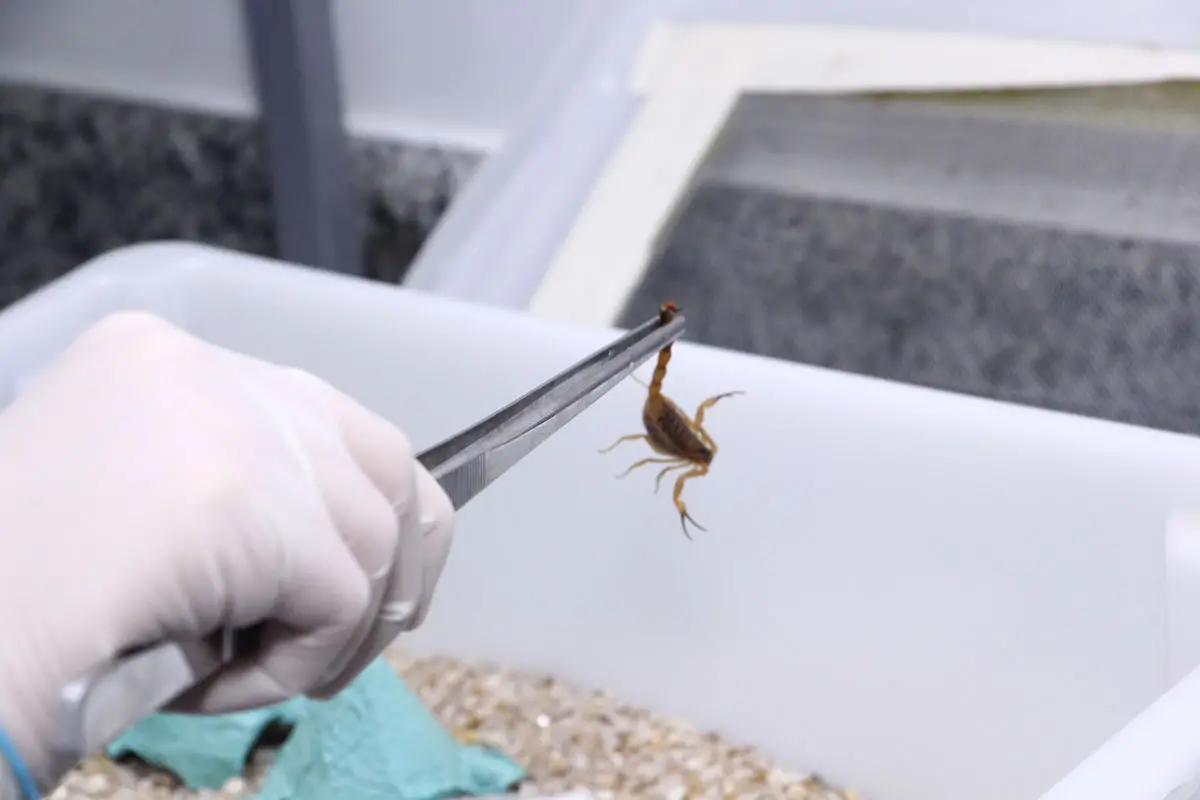
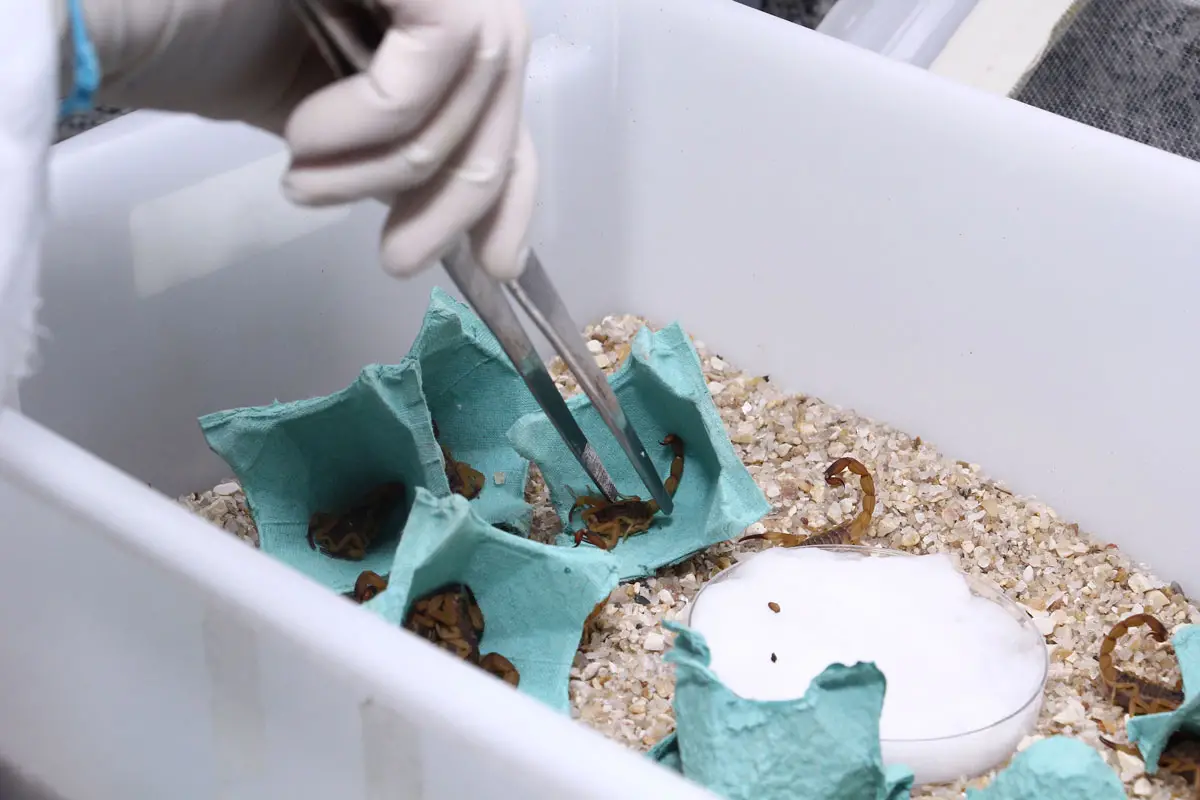
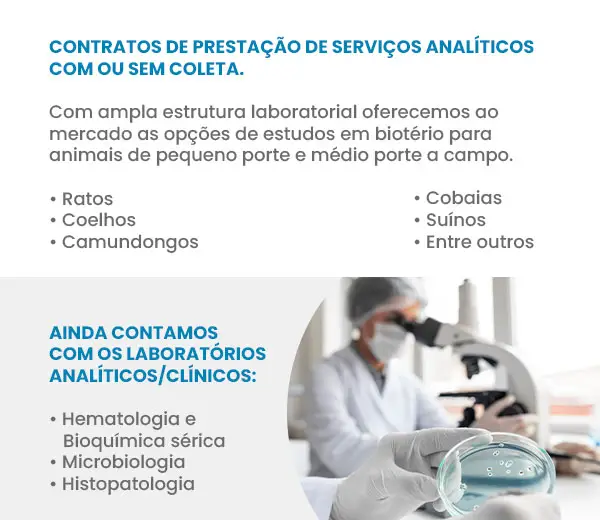
The entomology laboratory houses many species of insects and arachnids of major public, medical and veterinary health importance. It covers approximately 180 m² split into two areas, separating the testing rooms from the insectary.
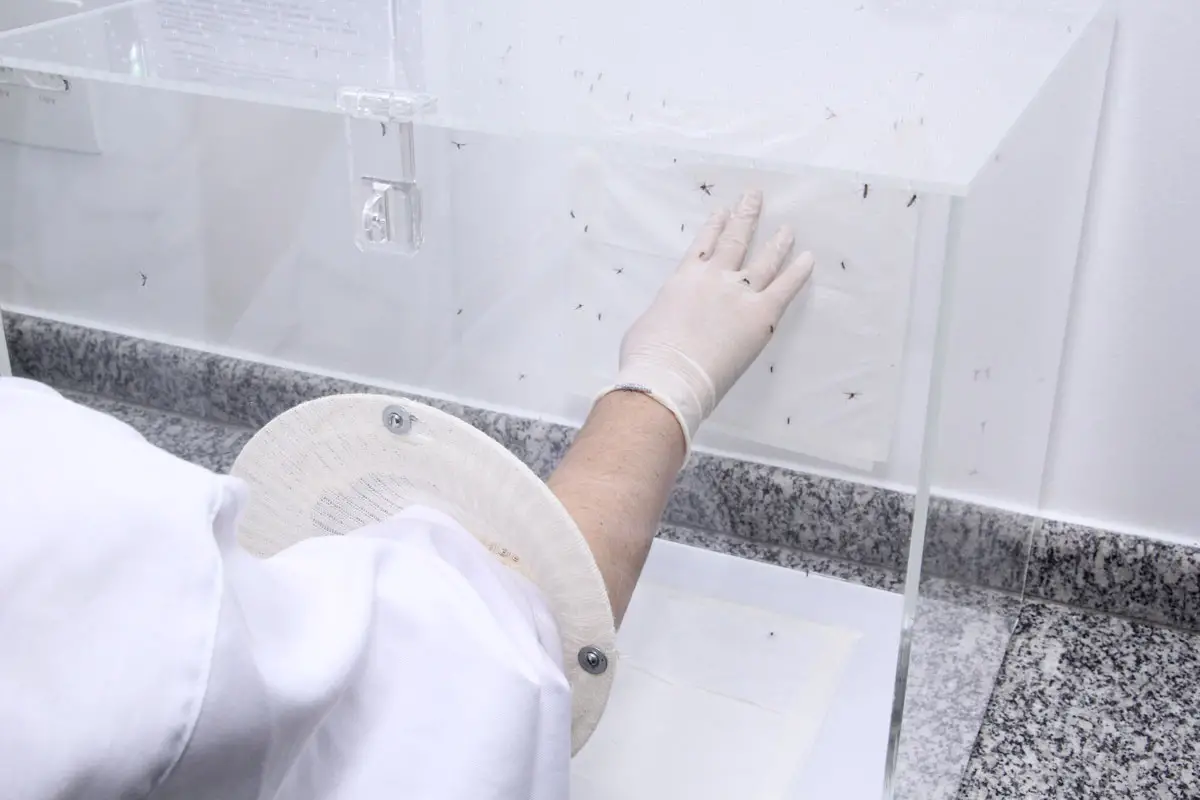
We carry out insecticide efficacy studies assessing mortality and knockdown, residual activity and, for repellents, protection against mosquito and tick bites.
ANALYTICAL TESTING FOR REGISTRATION AND QUALITY CONTROL
Main tests performed
Toxicology
Oral LD50 in rats / Theoretical Calculation
Dermal LD50 in rats
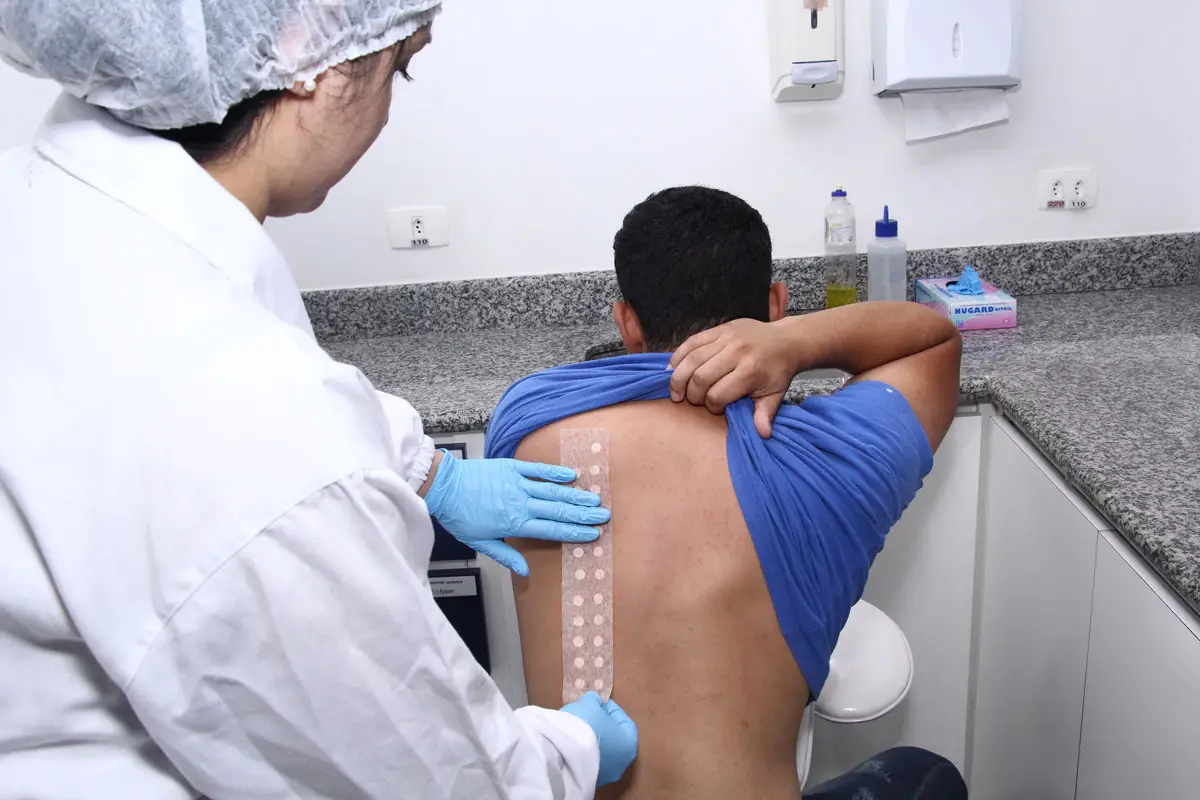
Dermal irritation in vitro and in vivo
Eye irritation in vitro and in vivo
Skin sensitization in vitro and in vivo
Chemistry
Active ingredient content (Chromatography and Titration)
Accelerated and long-term stability
Efficacy
Insecticide Rodenticide Molluscicide
Among other analyses.
Samples
Aerosols;
Emulsifiable concentrates;
Microencapsulated formulations;
Suspension concentrates;
Gel;
Dry powder;
Wettable powder;
Various baits;
Repellent creams and lotions;
Repellent vaporizing liquids, mats and coils;
Tests follow methodologies from ANVISA, MAPA, EPA and several other internationally recognized guidelines.
Tests
Efficacy of cockroach, ant and fly baits;
Efficacy of residual contact insecticides on surfaces;
Efficacy of aerosols against crawling and flying insects;
Efficacy against subterranean termites;
Efficacy against drywood termites – Curative and Preventive;
Mosquito larvicide efficacy;
Efficacy of space sprays against mosquitoes – Fogging and ULV;
Repellent efficacy – Cosmetic lotions and creams / Vaporizing formulations.
The organisms used in testing are reared exclusively in the entomology laboratory, with their development and reproduction cycles monitored. Insects are mass-reared on a large scale, since each study requires a large number of individuals and replicates to substantiate the results.
Organisms
Mosquitoes (Aedes aegypti, Culex quinquefasciatus and Anopheles sp);
Flies (Musca domestica);
Cockroaches (Periplaneta americana and Blatella germanica);
Ants (Monomorium floricola, Monomorium pharaonis, Tapinoma melanocephalum, Atta sexdens and Acromyrmex sp);
Drywood termites (Cryptotermes brevis);
Subterranean termites (Coptotermes gestroi and Nasutitermes sp);
Beetles (Sitophilus sp);
Bugs (Triatoma infestans, Rhodnius prolixus and Cimex lectularius);
Spiders (Nesticoides rufipes, Phoneutria sp and Loxosceles sp);
Scorpions (Tityus serrulatus and Tityus bahiensis);
Fleas (Ctenocephalides felis);
Ticks (Amblyomma cajennense, Rhipicephalus sanguineus and Rhipicephalus microplus / Boophilus microplus).

Pharmaceuticals
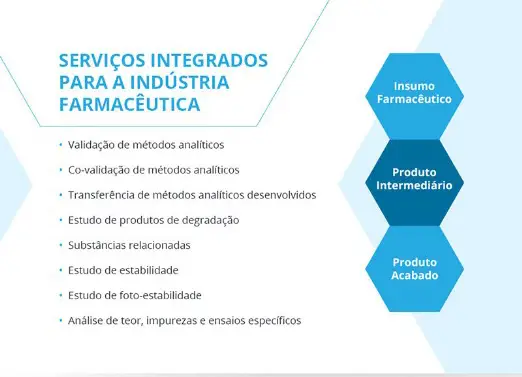
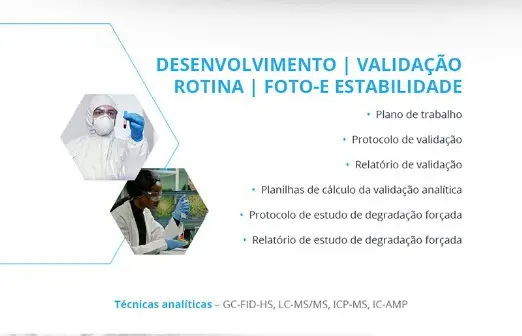
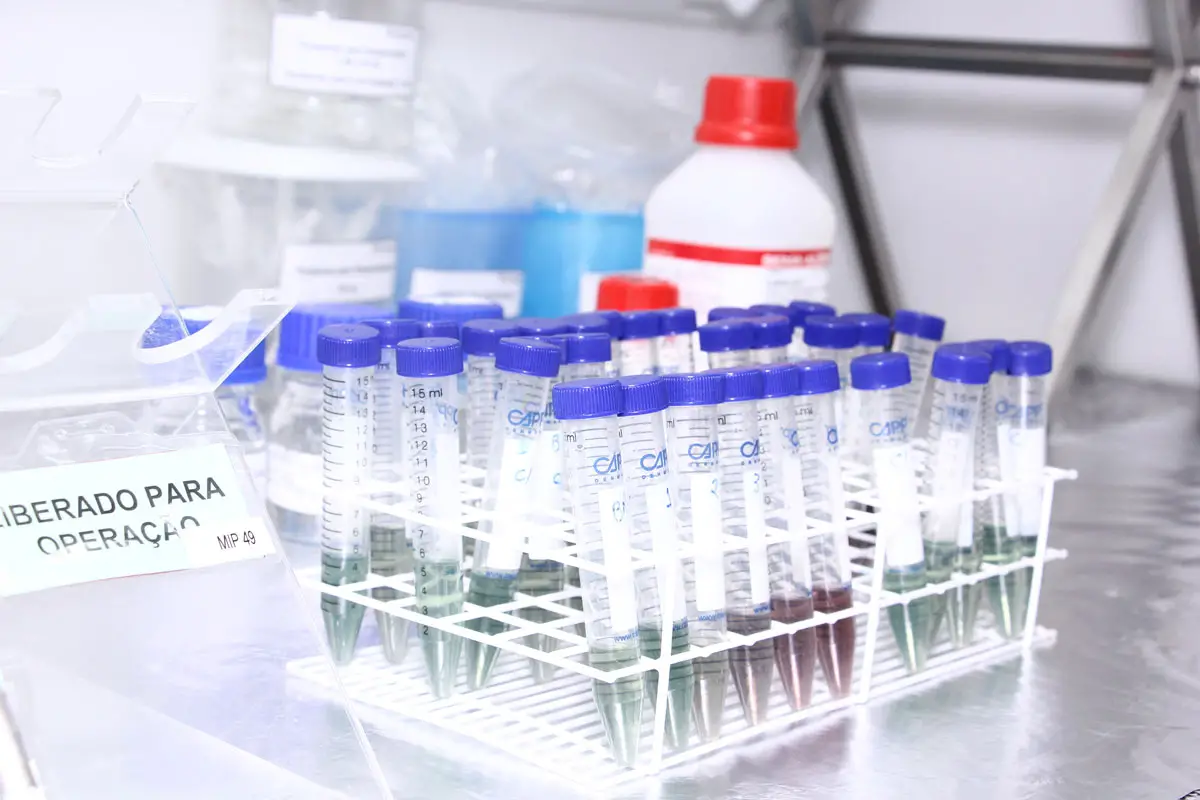
Our team is ready to provide personalized service, understanding your needs for APIs and Finished Products analysis.
A NEW CONCEPT in meeting your Key Demands.
Volatile Impurities (USP 467)
Elemental Impurities (USP 232/233)
Special Analyses (USP37-NF32/EP8.0-8.2)
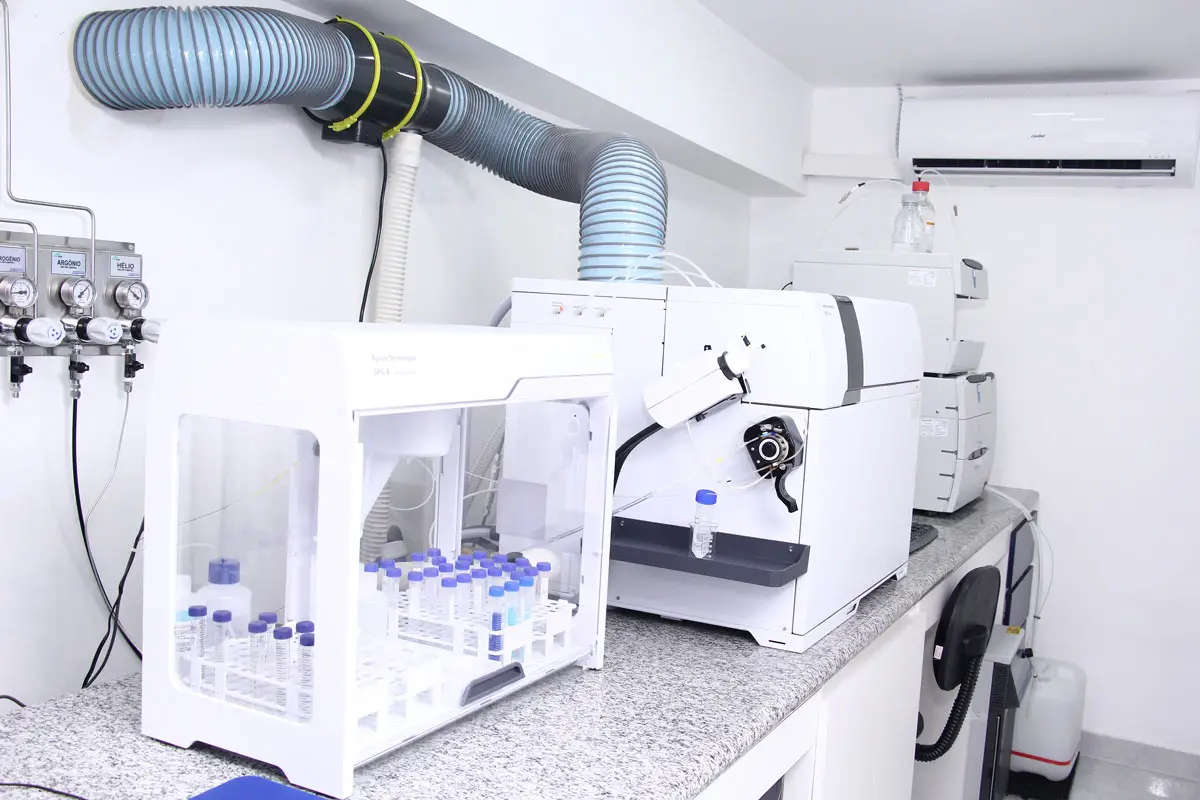
Amperometric Detection
Conductivity Detection
Mass Spectrometry
Custom Methods
Other sectors/services
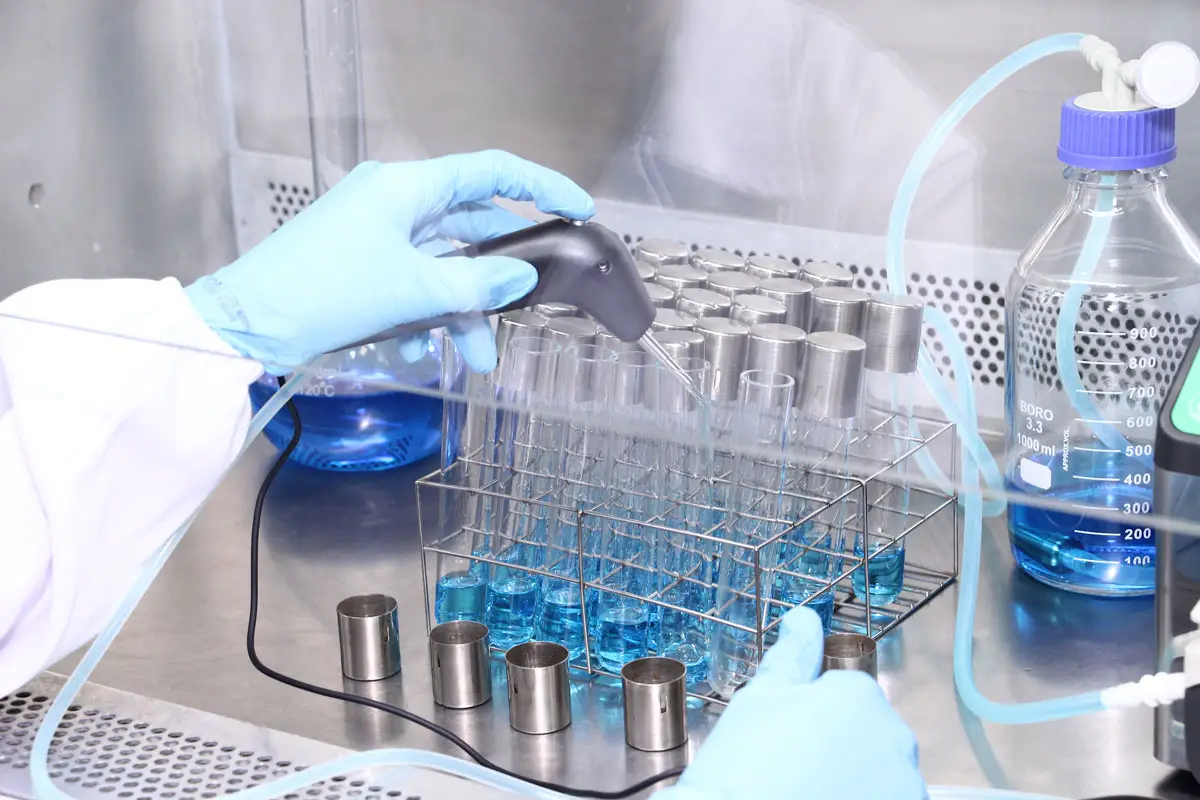
We perform laboratory analyses on many fronts for quality control, product evaluation and monitoring, preparation of Safety Data Sheets (SDS), among other purposes.
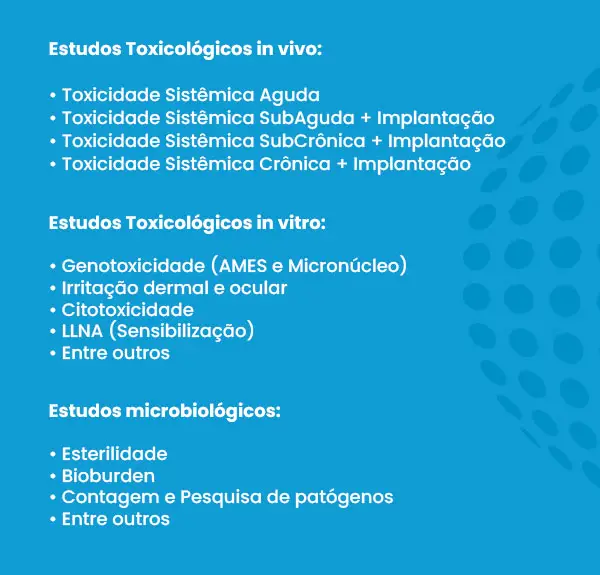
We evaluate chemical and biological products in general through a variety of toxicological, microbiological, chemical and biological tests.
Medical Devices
Products covered
Implants
Medical equipment
Hospital supplies
Tattoo Inks

Cleaning Products / Disinfectants
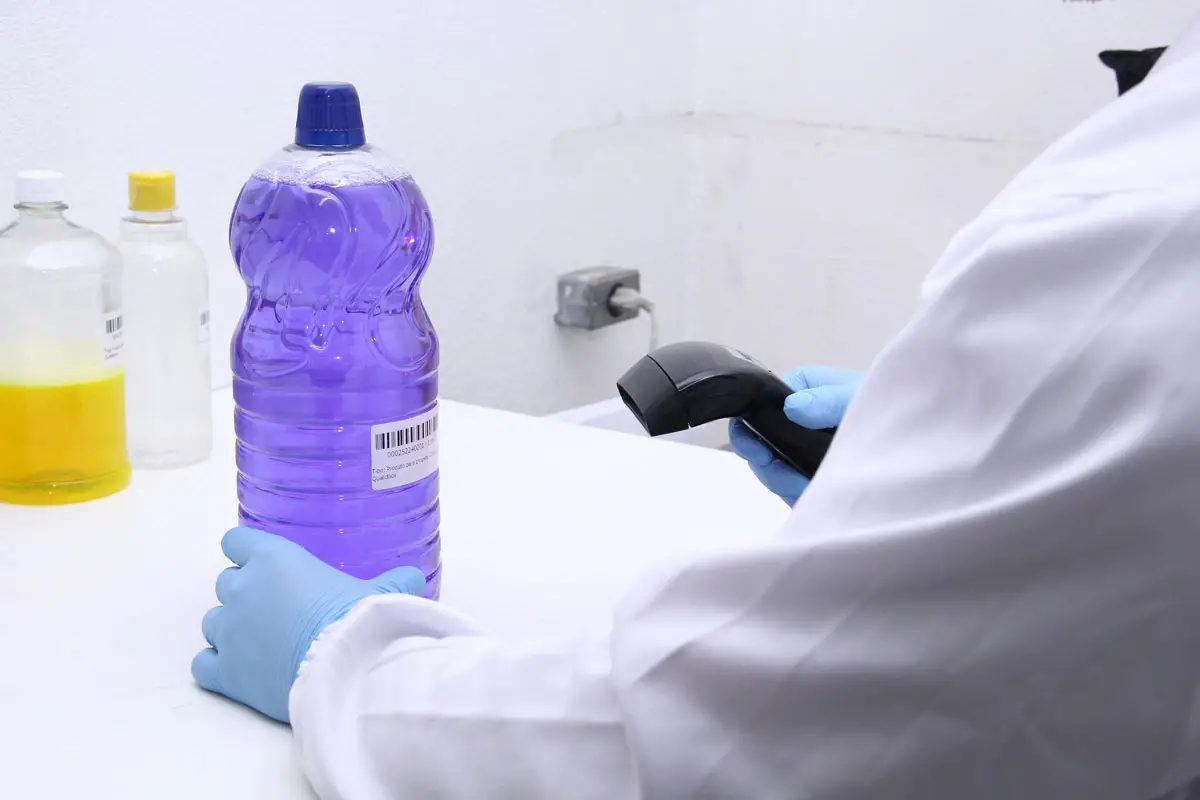
In this segment we act as an agile quality control and research partner, as our laboratories are equipped with state-of-the-art instruments and highly qualified staff.
ANALYTICAL TESTING FOR REGISTRATION AND QUALITY CONTROL
Toxicology:
Oral LD50 in rats / Theoretical Calculation
Dermal LD50 in rats
Dermal irritation in vitro and in vivo
Eye irritation in vitro and in vivo
Skin sensitization in vitro and in vivo
Inhalation Toxicity in Rats
Chemistry:
Active ingredient content (Chromatography and Titration)
Accelerated and long-term stability
Efficacy:
Bactericidal
Fungicidal
Sporicidal
Among other analyses.
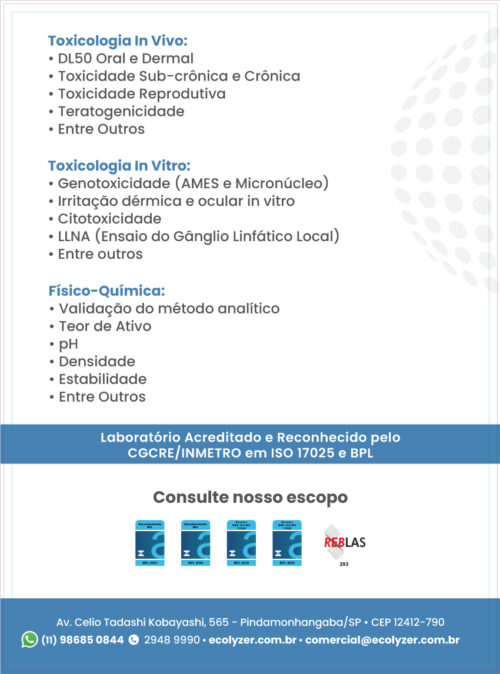
Toxicology Testing
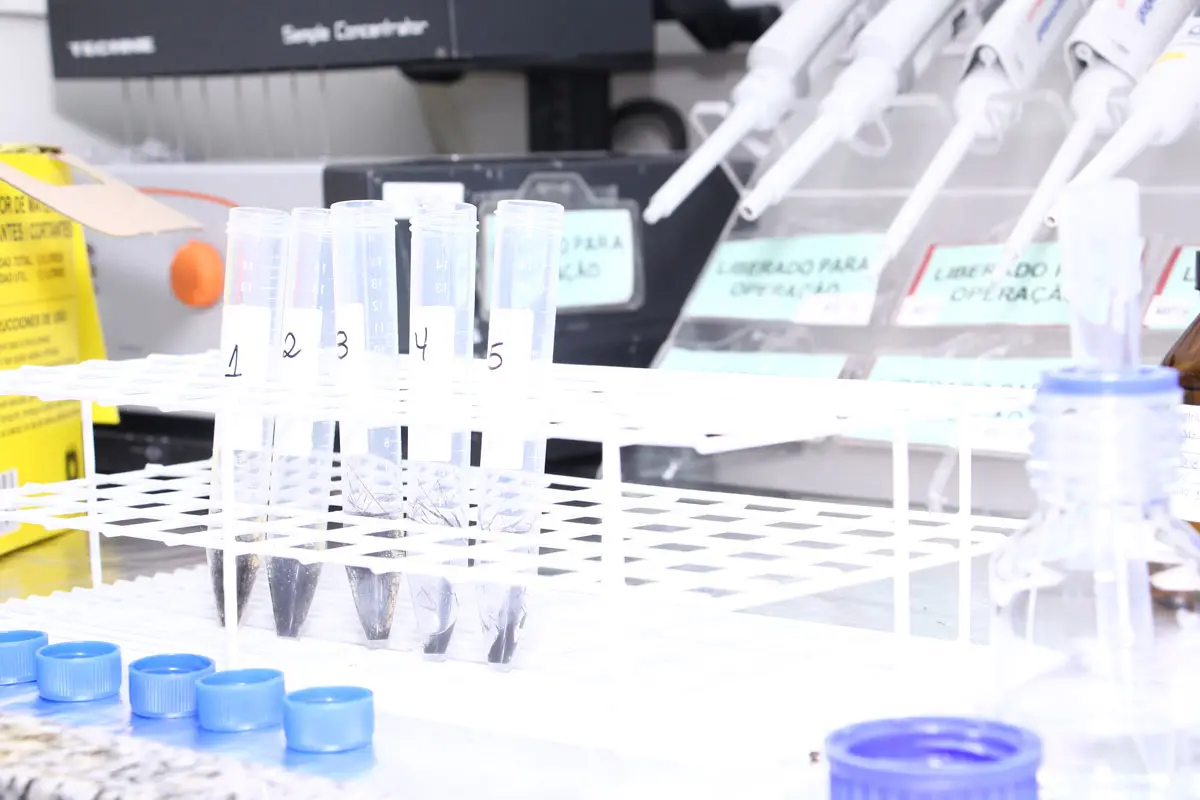
Ecolyzer serves laboratories that can act as hair sample collection points and/or as sales representatives (selling to companies).
In the first case, after collecting the donor’s sample, the collecting laboratory sends it to Ecolyzer, which quickly issues the report after analyzing the substances present in the donor’s hair shaft. Laboratories that also choose to be sales representatives earn from both activities, and Ecolyzer provides technical and marketing support.
Supplements and Food Ingredients

Veterinary

Physicochemistry
- Analyses Performed:
- Analytical Method Validation
- Active Ingredient Content
- pH
- Viscosity
- Density
- Dissolution
- Hardness
- Friability
- Moisture
- Accelerated and Long-Term Stability
- Among others
Microbiology
- Analytical Method Validation
- Bactericidal Efficacy
- Bacteriostatic Efficacy
- Fungicidal Efficacy
- Antiseptic Efficacy
- AMES Test
- Challenge Test
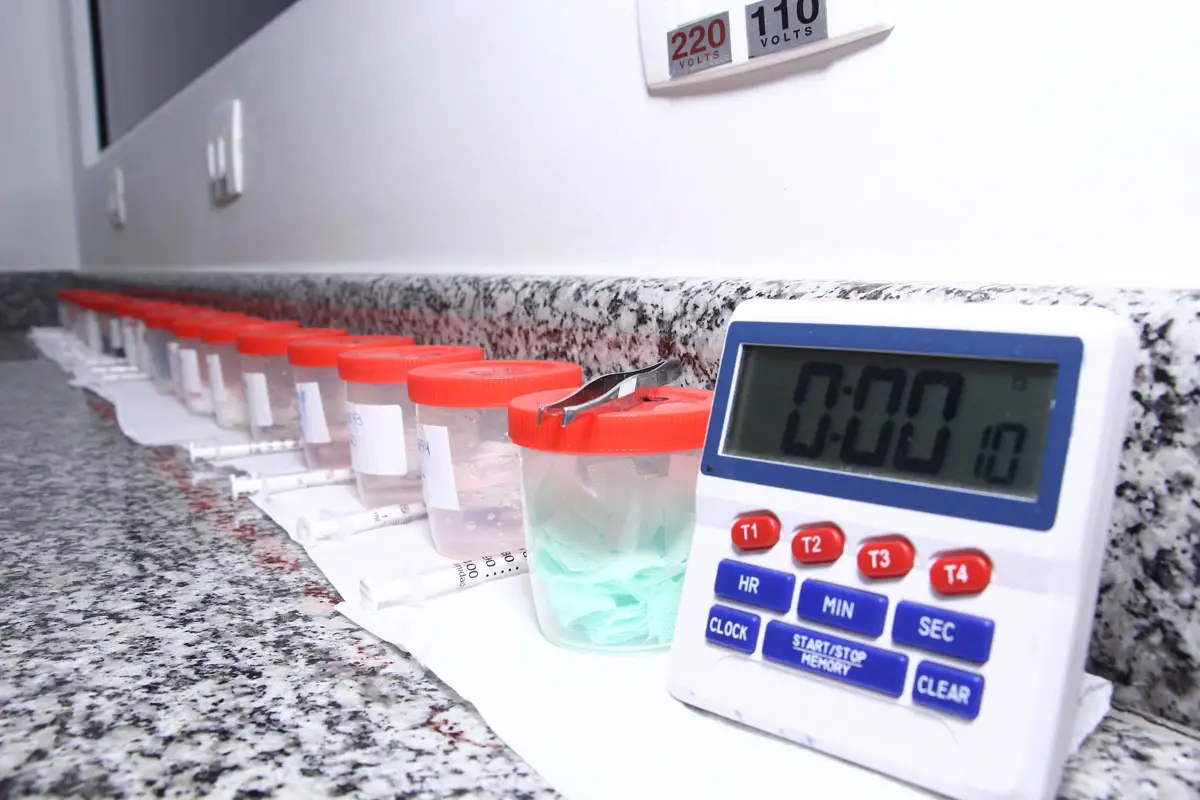
- Environmental Microbiological Control (Swab / Plate)
- Bacteria, Yeast and Mold Count (Microbiological Control)
- Detection of Bacteria and Fungi (Microbiological Control)
- Among others
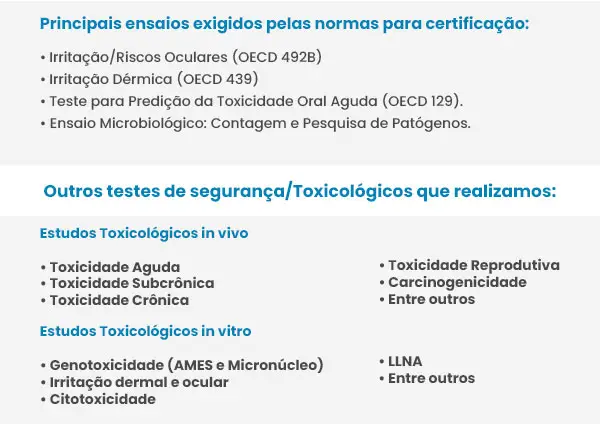
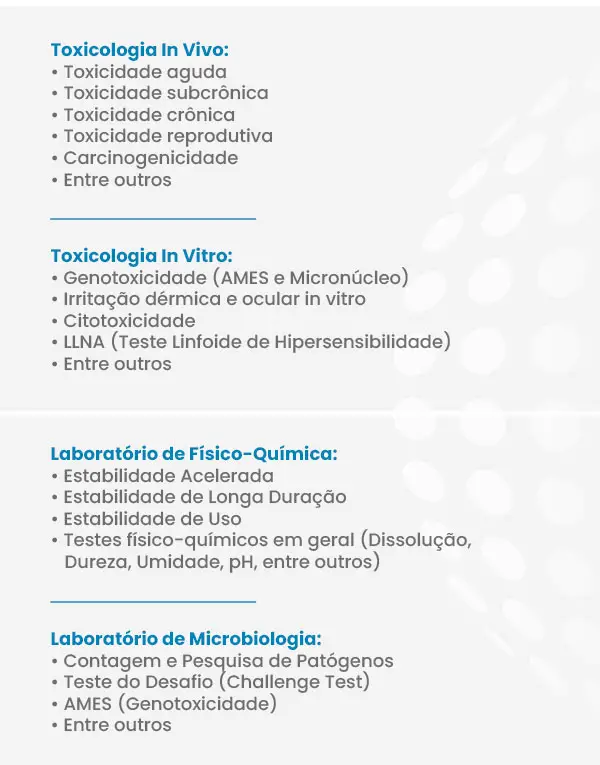
In Vivo Toxicology
- Dermal Irritation in Rabbits
- Eye Irritation in Rabbits
- Oral LD50 in Rats
- Micronucleus in Rats
- Dermal LD50 in Rats
- Sensitization in Guinea Pigs
- Reproductive Toxicity
- Teratogenicity
- Carcinogenicity
- Subchronic and Chronic Toxicology
- Rodenticide Efficacy
- Among Others
Cosmetic Clinical Research
- Dermatological Efficacy
- Dermatological Safety
- Dental Efficacy
- Dental Safety
- Perceived Efficacy
- Gynecological Efficacy
- Gynecological Safety
- Sun Protection Factor (SPF)
- Antiperspirant and Deodorant Efficacy
- Hair Care Efficacy/Performance
- Among Others
Covers the following Claims/Purposes:
- Spot Reduction
- Body Measurement Reduction
- Cellulite Reduction
- Moisturizing
- Anti-Aging
- Among others
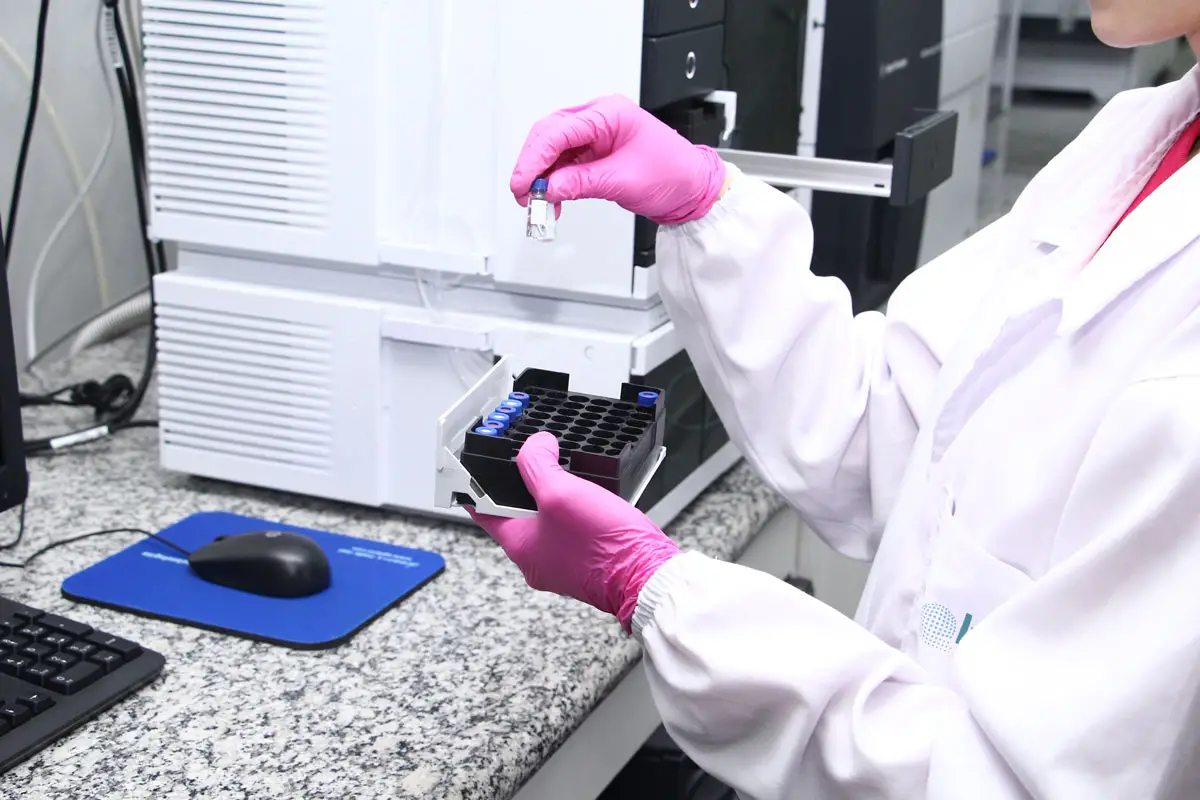
Analytical/Instrumental Chemistry
- Analytical Method Validation
- Active Ingredient Content
- Veterinary Drug Residue Testing
- Forensic Toxicology
- Degradation Products
- Accelerated and Long-Term Stability
- Impurities and Related Substances
- Among others
Analytical Techniques:
- Liquid Chromatography
- Gas Chromatography
- Mass Spectrometry
- Ion Chromatography
- Chromatography – Plasma
- Spectrophotometry
- Among others
In Vitro Toxicology
- Dermal Irritation and Corrosion in vitro
- Eye Irritation in vitro (Ocular Hazard)
- Micronucleus
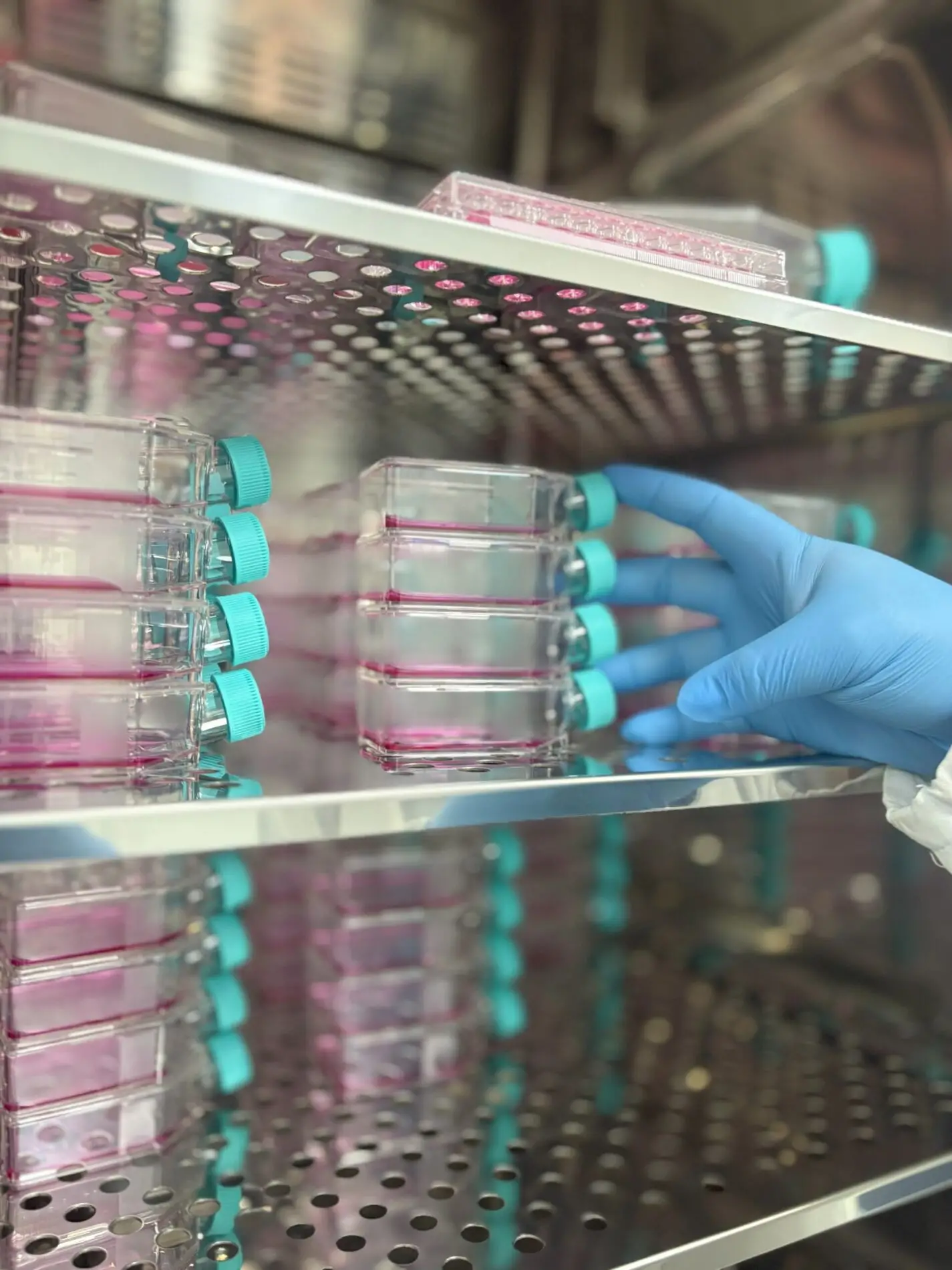
- Cytotoxicity
- LLNA (Sensitization in vitro)
- Theoretical Calculation (Oral LD50)
- Among Others
Entomology
- Insecticide Efficacy
- Repellent Efficacy
- Molluscicide Efficacy
- Tests for Research and Development
- Among Others
Main Pests:
- Cockroaches
- Flies
- Mosquitoes
- Termites
- Lesser Mealworm
- Sand Fly
- Slug
- Snail
- Spider
- Scorpion